Laser Radar for Medical Diagnostics: Breakthrough Tests at TUM with Ommatidia’s Q2 System
Munich, Germany | May 13, 2025 — Ommatidia recently demonstrated the capabilities of its Q2 Laser Radar for medical diagnostics at the Technical University of Munich (TUM). This innovative system enables non-contact monitoring of patients with conditions like abdominal aortic aneurysms, providing high-resolution, real-time data without the need for physical sensors.
Planning a biomedical motion or vibration study?
Share the target, stand-off distance, motion range and required output. An applications engineer can help assess feasibility and a suitable Q2 workflow.
At the invitation of Prof. Dr. Daniel Rixen, Ommatidia’s CEO Dr. Eduardo Margallo and Product Specialist Dr. Óscar R. Enríquez joined forces with Dr.-Ing. Johannes Maierhofer and the Chair of Applied Mechanics to evaluate Q2’s potential in biomedical settings.
Why Laser Radar for Medical Diagnostics Changes the Game
The Q2 Laser Radar system, previously used in aerospace and industrial metrology, is now showing promise in medical diagnostics. Its ability to map and measure biological vibrations from a distance can transform early disease detection and patient monitoring.
This initiative builds on Ommatidia’s Q2 product capabilities, which already offer industry-leading precision. Now, we are unlocking its potential in clinical environments.
Test Setup: Simulated Aneurysm Monitoring at TUM
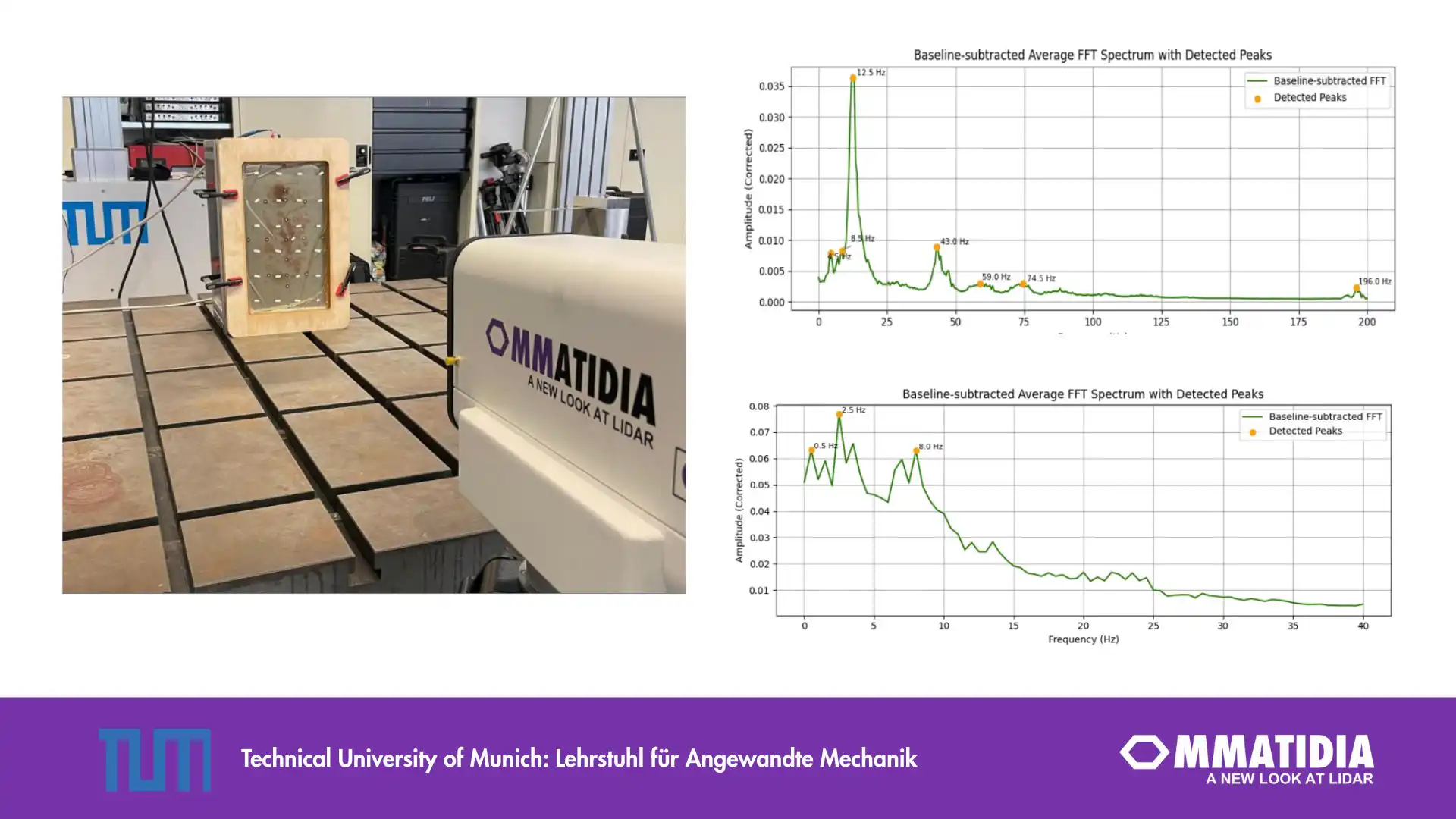
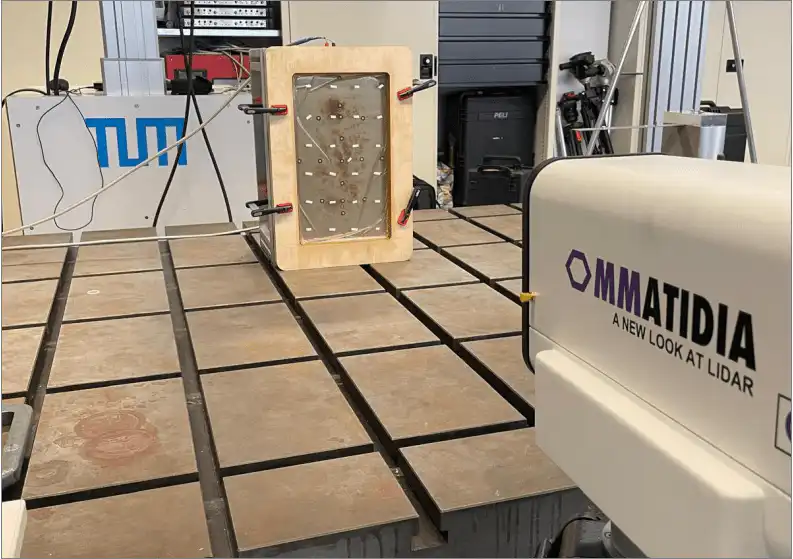
During the workshop, a gelatin-based abdominal phantom was created to mimic human tissue. A simulated blood pressure waveform drove mechanical vibrations within this “belly,” and the Q2 system measured the vibration field in real time.
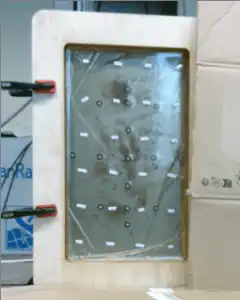
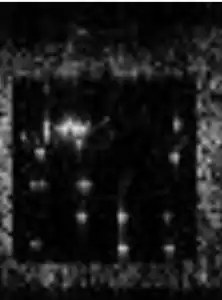
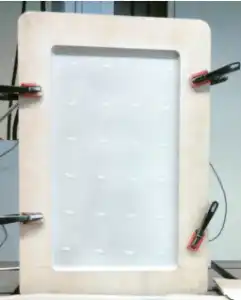
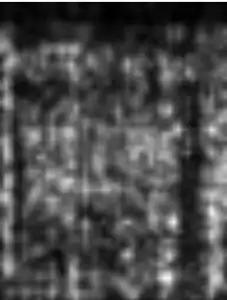
Tested system and intensity signal, before and after spray paint
Key outcomes:
-
Contactless setup completed in under 15 minutes
-
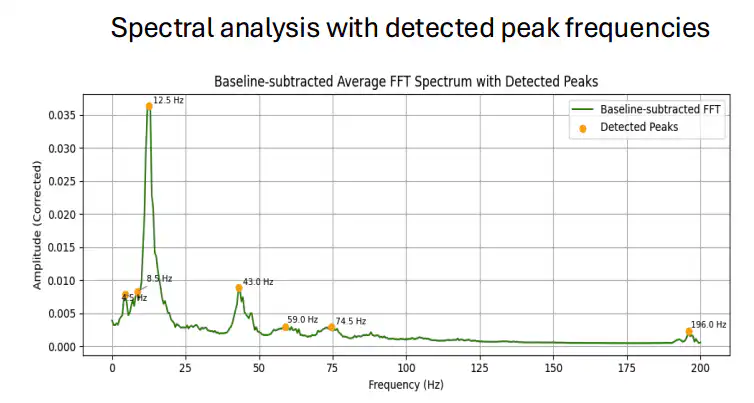
Clear peak frequencies identified at 4.5 Hz, 8.5 Hz, 12.5 Hz, 19.6 Hz, and 74.5 Hz
-
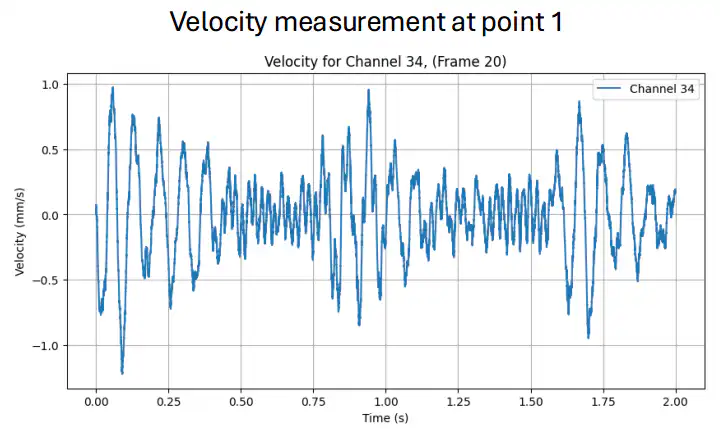
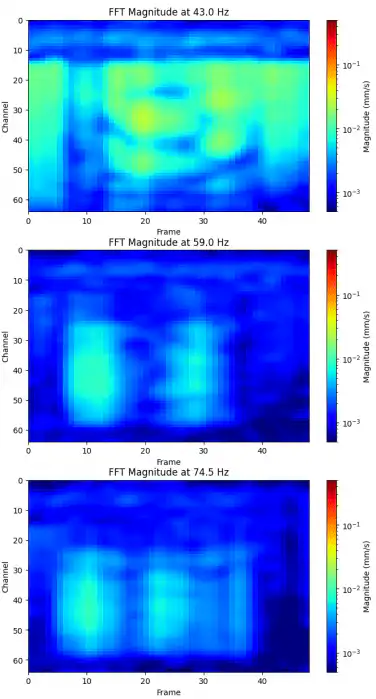
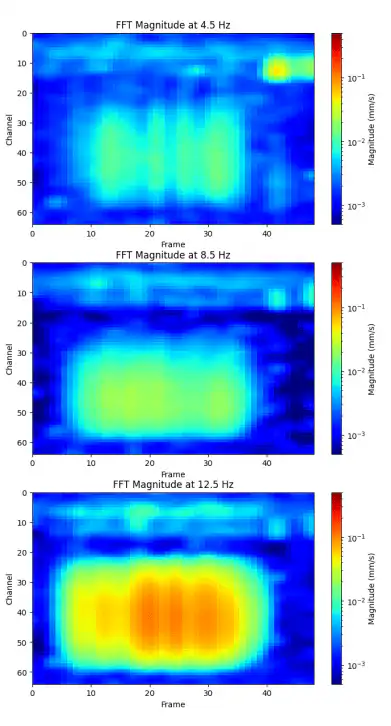
Velocity time series and FFT maps provided full-field spectral insights
-
Spray paint improved surface reflectivity, boosting intensity measurements
The Q2 Laser Radar captured all relevant data with micron-level precision, validating its use in tracking vascular dynamics.
Vibration maps at peak frequencies / bands
Follow-Up at Ommatidia: Human Arm Trials
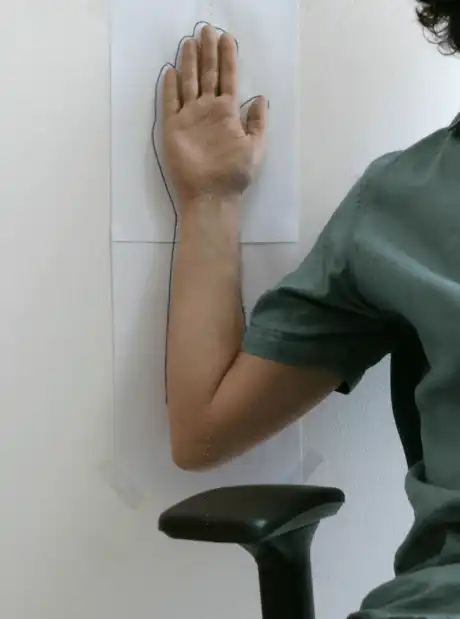
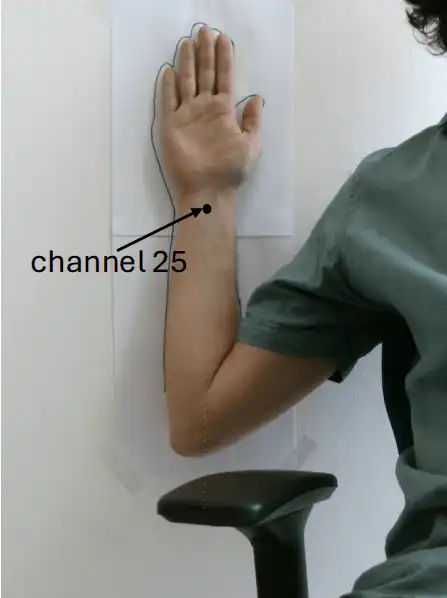
To extend the experiment, our team performed additional scans at Ommatidia’s facilities using a live human arm.
We conducted:
-
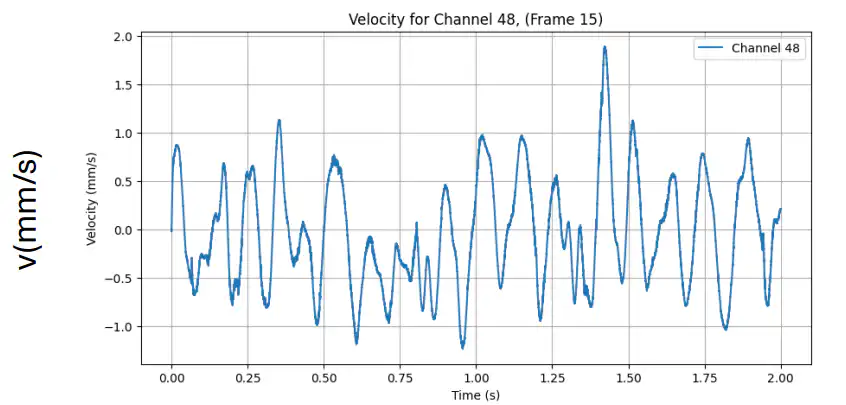
A 2-second step scan across the arm’s width
-
A 30-second single-line scan for continuous spectral data
These trials showed that laser radar for medical diagnostics can detect subtle vibrations associated with vascular flow, muscle response, and tissue behavior—all without touching the subject.
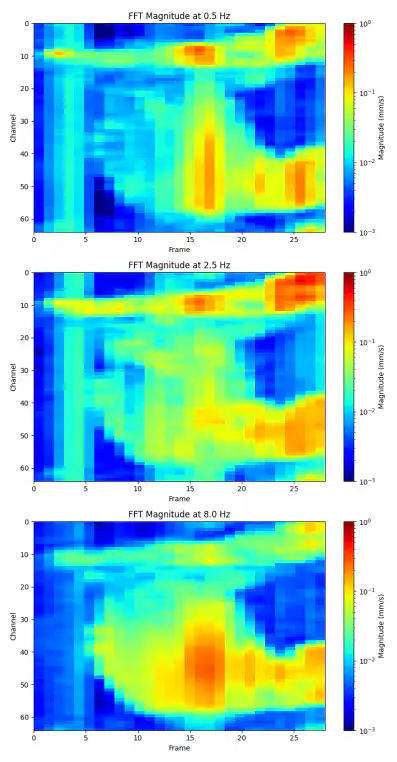
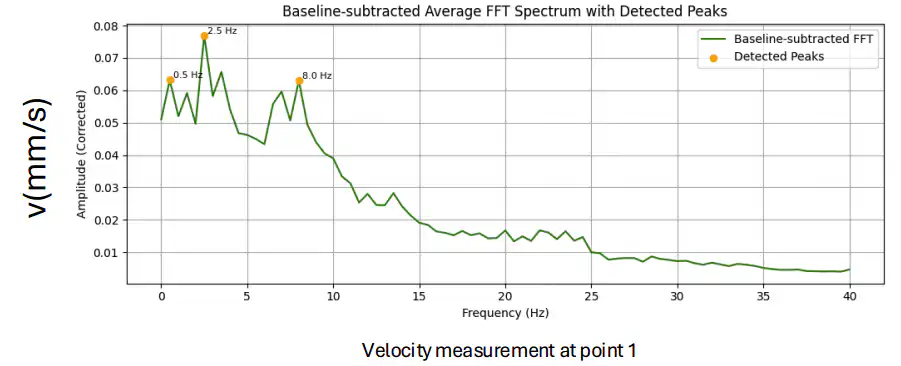
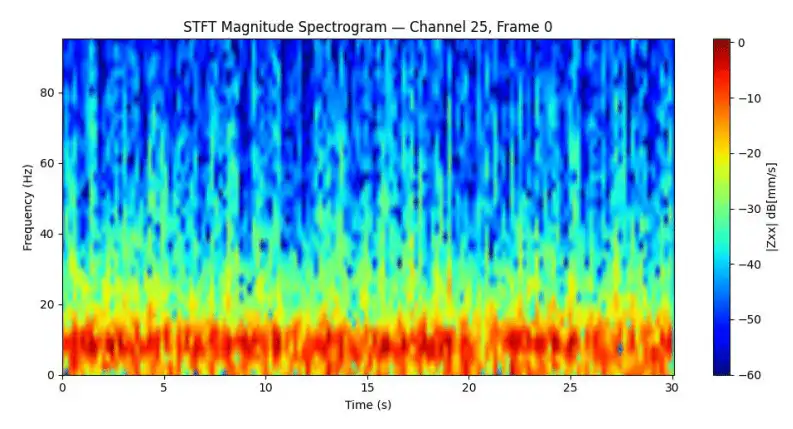
Thirty-second scan over single line
Practical Benefits in Clinical Settings
Laser radar systems like the Q2 bring numerous advantages to healthcare:
-
Fast Deployment: Setup and scan complete in 15 minutes
-
Non-Invasive: No need for gels, wires, or wearable sensors
-
Broadband Analysis: Captures data from 0.5 Hz to over 100 Hz
-
High Portability: Weighs less than 7 kg and tripod-mountable
-
Open Data Format: Compatible with MATLAB, Python, and clinical post-processing
With these features, clinicians can screen patients without discomfort or risk, making it ideal for ICU monitoring, outpatient diagnostics, and even field-based care.
From Research to Real-World Diagnostics
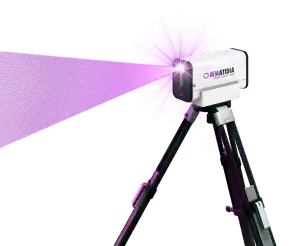
Q2 Massively Parallel Laser Radar for 3D Vibrometry & Micron-Level Metrology Scanner by Ommatidia
Our trials show that laser radar for medical diagnostics can bridge the gap between research and clinical care. As the technology matures, we envision applications in:
-
Cardiovascular risk screening
-
Post-surgical recovery tracking
-
Pulmonary and muscular function monitoring
-
Digital twin models for personalized healthcare
Ready to Collaborate?
If you’re a healthcare researcher, biomedical engineer, or hospital innovator, we invite you to explore partnerships with Ommatidia.