SEE MORE · KNOW MORE

Bridge Structural Health Monitoring for Live Infrastructure

Measure bridge vibration, deflection, geometry, and structural response across many points from a safe stand-off position. Ommatidia Laser RADAR combines non-contact geometry and motion measurement to reduce access and setup effort on live assets.

Ommatidia Q1S Laser RADAR measuring a live bridge
WHEN TO USE LASER RADAR

When this is the right fit

Live infrastructure constraints

Reduce dependence on lane closures, access platforms, and sensor-heavy field setups.

Low-frequency structural response

Capture deflection and vibration where sparse point sensing can miss important structural response.

Model validation needs

Bring field data into FEM validation and digital-twin workflows.

Monitoring path after diagnosis

Start with a field campaign and expand toward continuous observation when the asset requires ongoing review.

REDUCE FIELD BURDEN

Why teams move beyond contact-heavy setups

Accelerometer arrays, strain gauges, and other contact-heavy approaches can add installation time, safety constraints, cabling overhead, and limited coverage when the structure is large or difficult to access.
Ommatidia helps engineering teams measure from beneath or alongside the structure, reduce field burden, and capture structural response without adding mass to the asset.
bridge installed q1s

From field setup to engineering review

Measure from beneath or alongside the asset, reduce cabling and sensor installation, capture wider structural response, and use the same measurement path for FEM validation or long-term monitoring.

Civil proof points
CIVIL PROOF POINTS

Used on real bridges, viaducts, and live civil assets

Bridge teams use Ommatidia to capture vibration and deflection remotely, reduce contact-sensor burden, and review structural response where access, safety, and service disruption matter.

La Marota viaduct

Q1S structural-health-monitoring deployment with comparison against accelerometer data and agreement in modal frequency and deflection results.
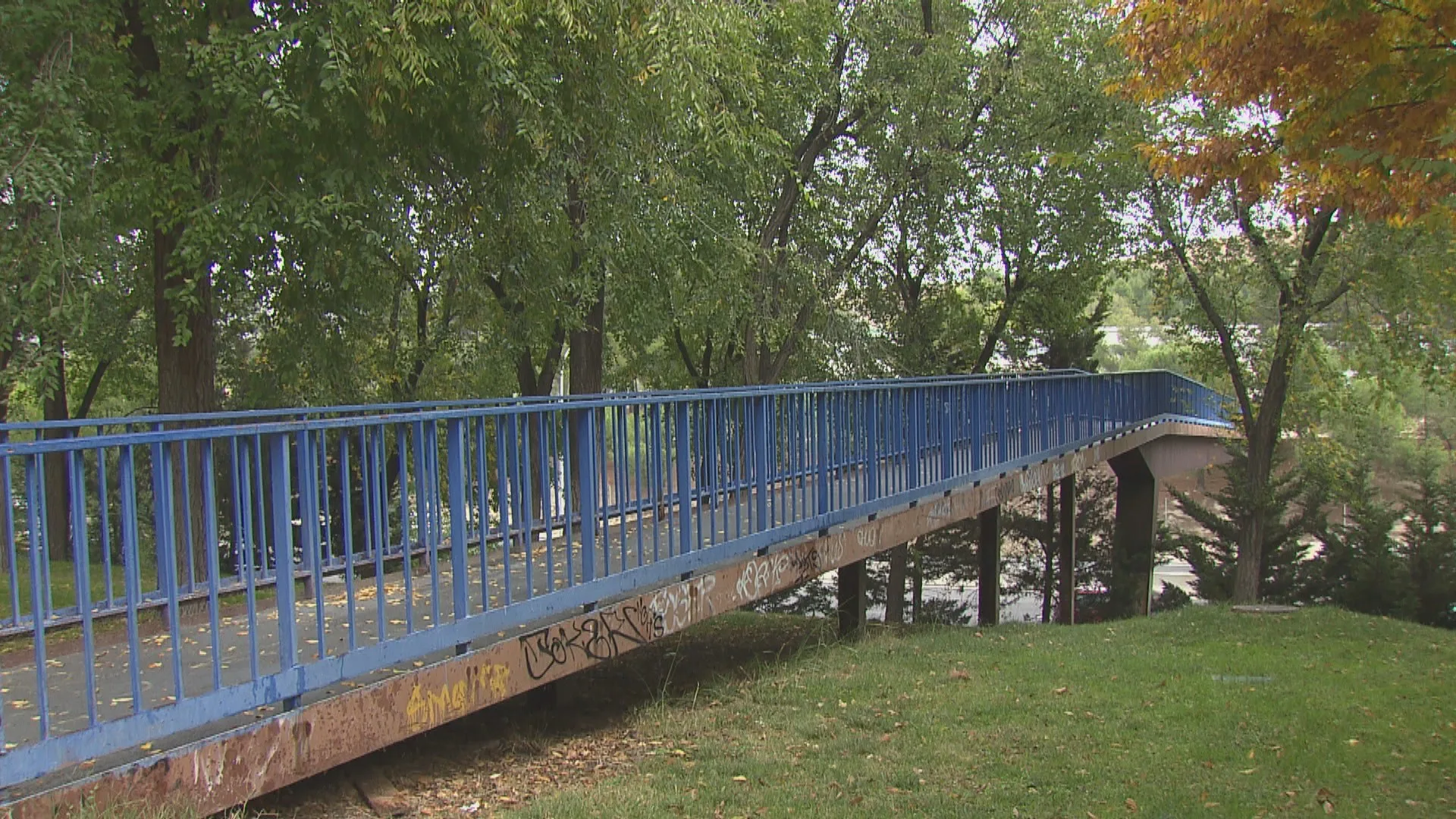
Santa Eugenia footbridge

Live footbridge assessment completed in about 30 minutes without traffic interruption, delivering velocity, displacement, and frequency outputs.

Tres Cantos deflection

Under-bridge live-load deployment measuring bridge deflection of around 0.3 mm during truck passage.

Amsterdam quay walls

Dynamic identification and vibration monitoring of historic quay walls, supporting structural assessment with minimal disruption.

TECHNICAL QUESTIONS

Questions bridge teams usually ask first

Yes, when the measurement geometry and safety conditions allow stand-off access. The Santa Eugenia footbridge example shows live-asset measurement without traffic interruption, with reduced field setup burden compared with contact-heavy instrumentation.
Accelerometers remain useful, but dense contact campaigns add cabling, installation time, access work, and possible mass-loading effects. Choose remote vibrometry when your team needs wider structural response from a stand-off position with less instrumentation burden.
Yes. In the Tres Cantos bridge example, a rapid under-bridge deployment measured live-load bridge deflection around 0.3 mm during truck passage.
Use Q1S for fixed-installation and long-term structural monitoring. Use Q1 for portable field campaigns, bridge dynamics, and shorter-duration stand-off measurement programs.
Yes. Q-series measurements capture structural response data that can support engineering interpretation, FEM validation, and digital-twin review.
CONTINUE EXPLORING

Related technical resources

Ommatidia Q1 Laser RADAR on tripod for industrial metrology and remote vibrometry

Q1 Laser RADAR

Portable stand-off bridge and civil-asset measurement for field campaigns.

q1s laser radar railway monitoring

Q1S Laser RADAR

Fixed-installation option for continuous bridge and infrastructure monitoring.

Q-series LDV non-contact bridge strain measurement setup

Bridge strain and vibrometry

Read more on bridge strain, structural-response interpretation, and related Q-series application evidence.