FIELD NOTE | HERITAGE CONSERVATION

Remote screening for hard-to-reach Guastavino vaults

At Saint Thomas Church in New York, Ommatidia and Vertical Access demonstrated the potential of multipoint Laser RADAR vibrometry to distinguish tap-identified areas from sound reference locations—without attaching sensors to the vault.
Field demonstration | January 2026 | Saint Thomas Church, Fifth Avenue
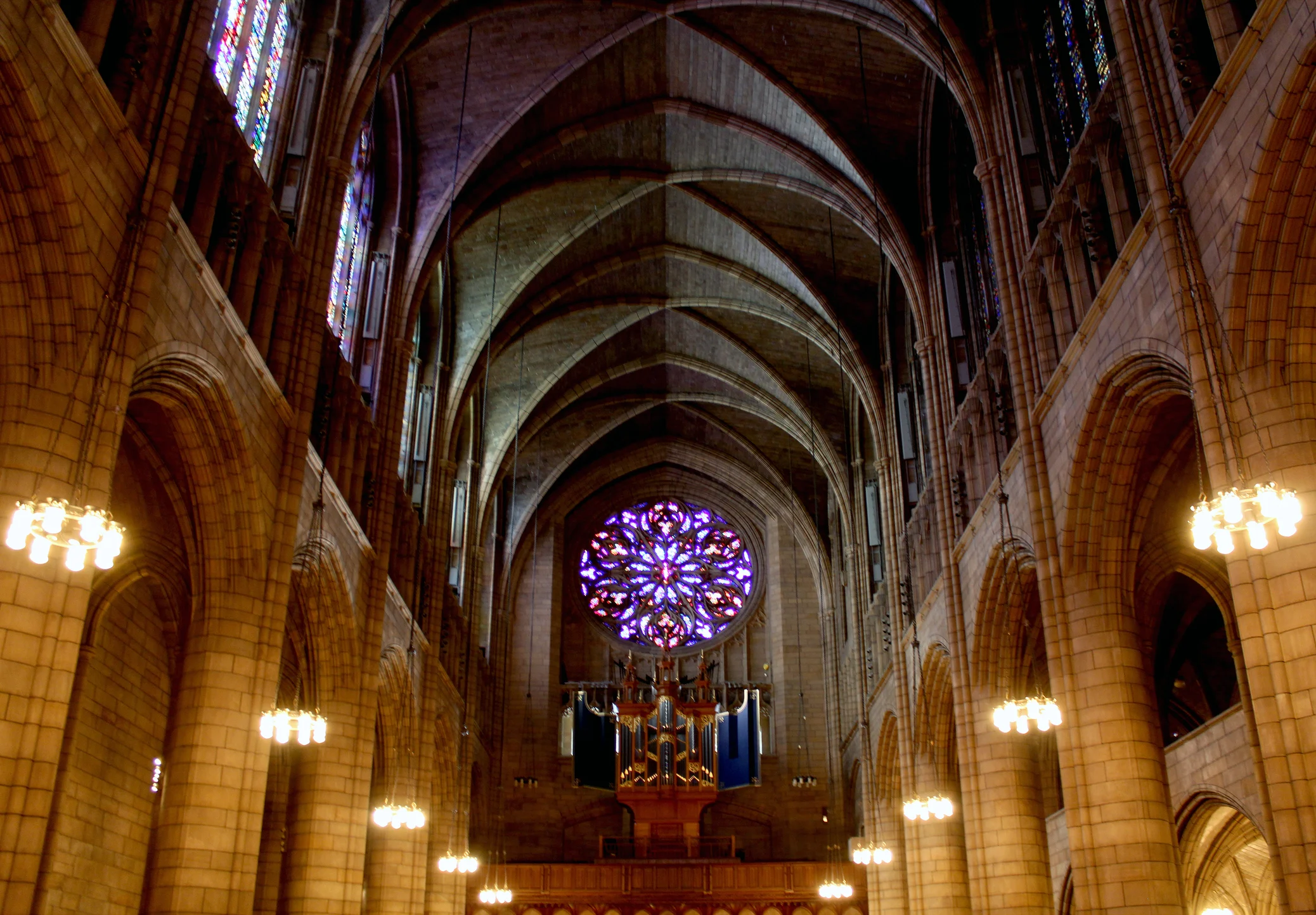
Interior of Saint Thomas Church showing the high Guastavino tile vaults above the nave
The nave and high vaults of Saint Thomas Church, New York.
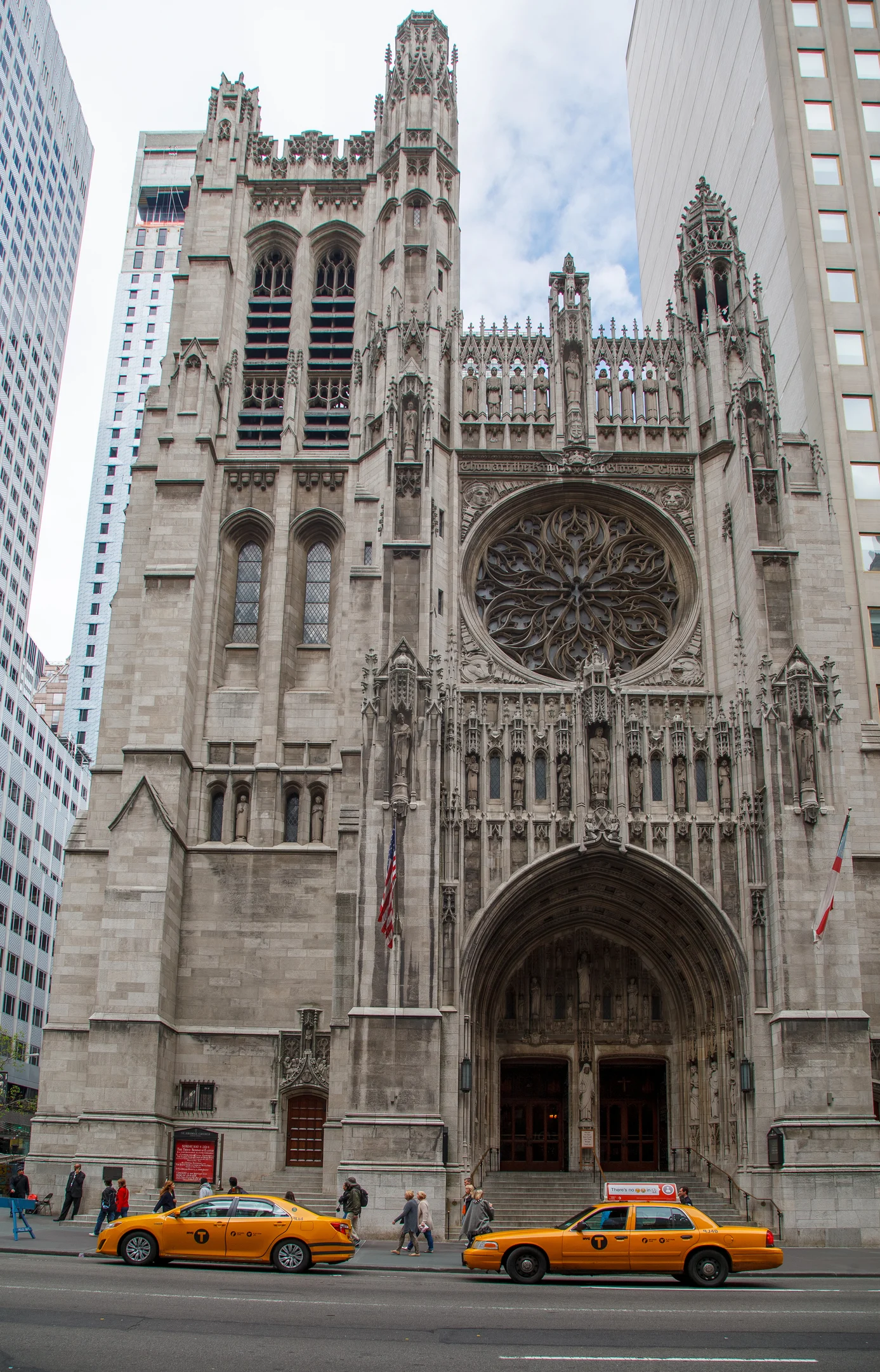
Gothic Revival facade of Saint Thomas Church on Fifth Avenue in New York
Saint Thomas Church on Fifth Avenue.
THE SITE

A large, layered surface 95 feet above the nave

Completed in 1913, Saint Thomas Church is a masonry landmark crowned by Guastavino tile vaults. Their bonded, overlapping masonry courses create a large continuous soffit where local changes can be difficult to recognize from the floor.

Why remote screening matters

Compare more of the vault from the floor, retain a digital baseline and direct lifts or scaffolds toward the areas with the strongest measured response.

THE INSPECTION PROBLEM

Prioritize close access with better evidence

The practical question is where to focus close inspection first.

Remote screening lets teams compare more locations, retain a digital record and direct access resources toward the areas with the strongest measured response.

The result is a faster route from a large, inaccessible surface to a focused hands-on investigation.

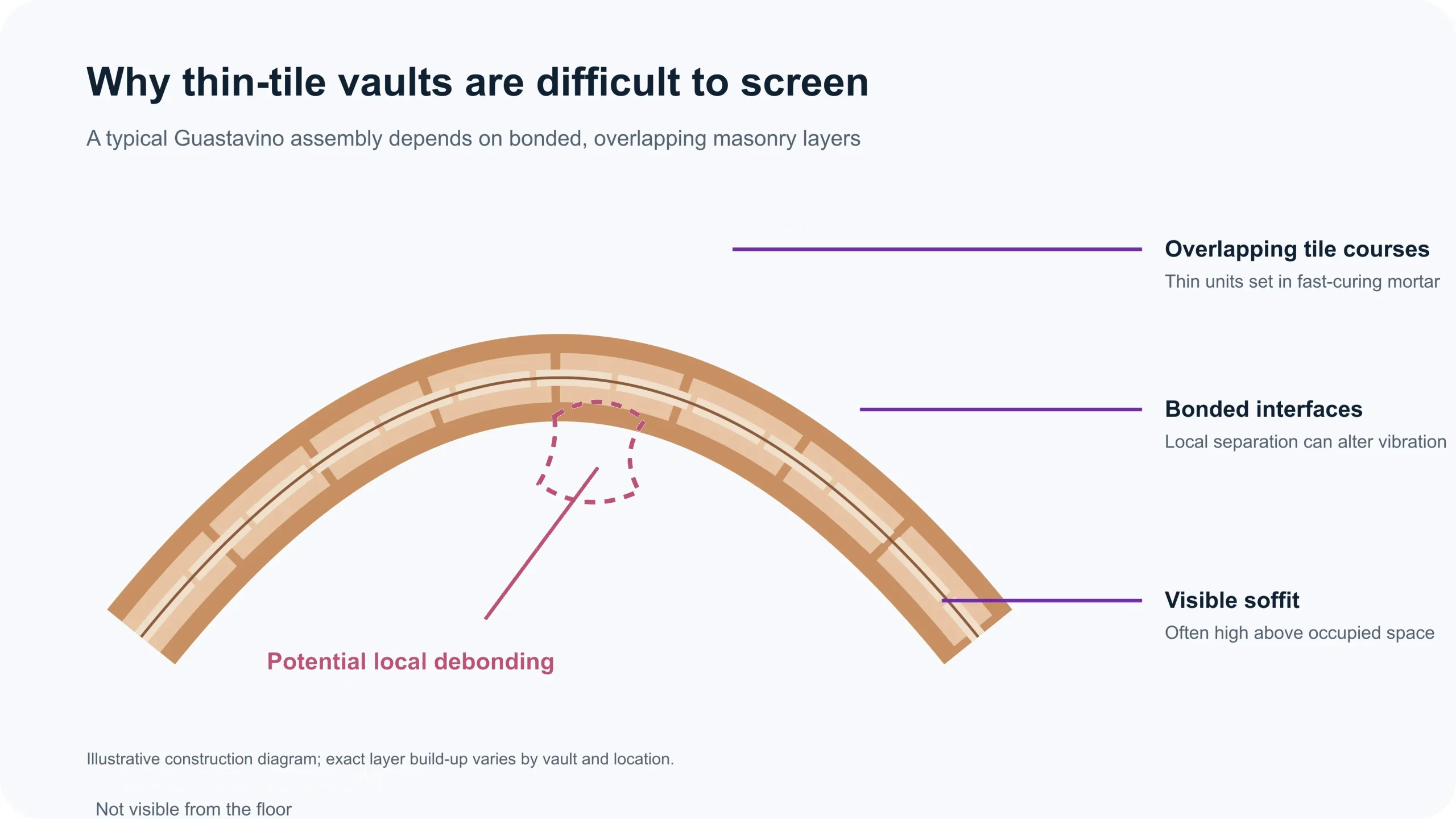
Diagram of bonded overlapping Guastavino tile courses and potential local debonding
Illustrative construction diagram; exact layer build-up varies by vault and location.
WHY MULTIPOINT LASER RADAR

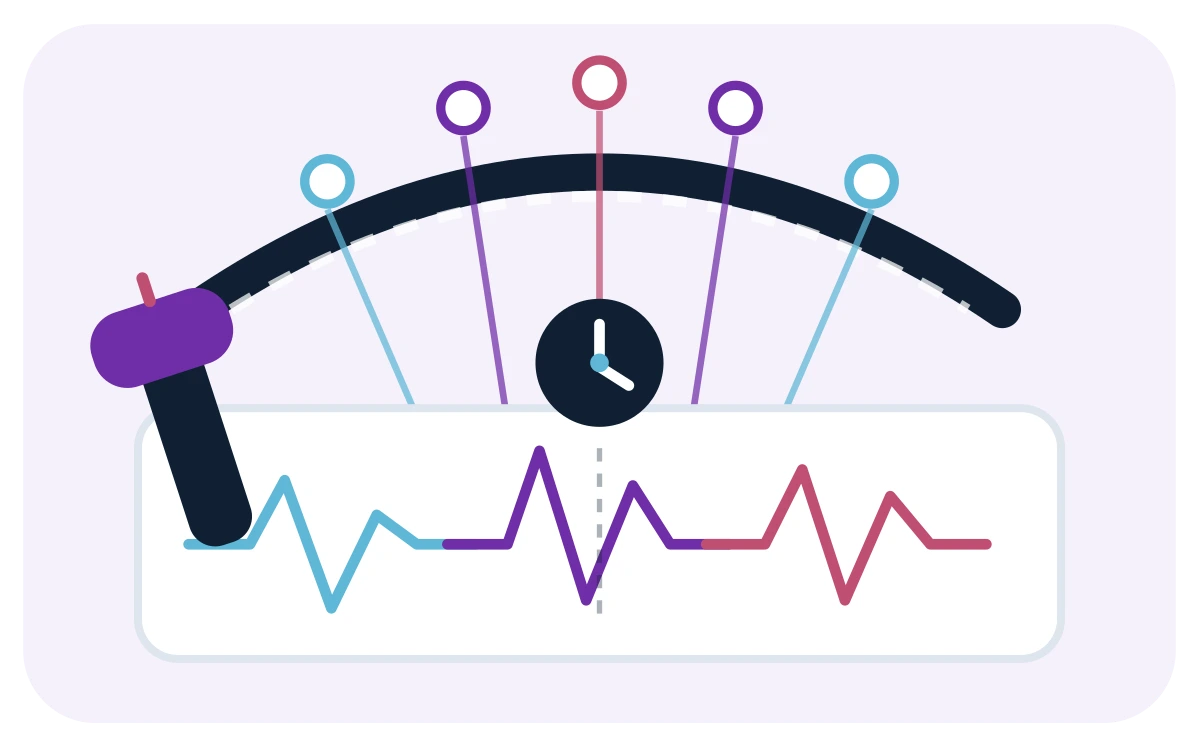
Many surface responses, measured at the same instant

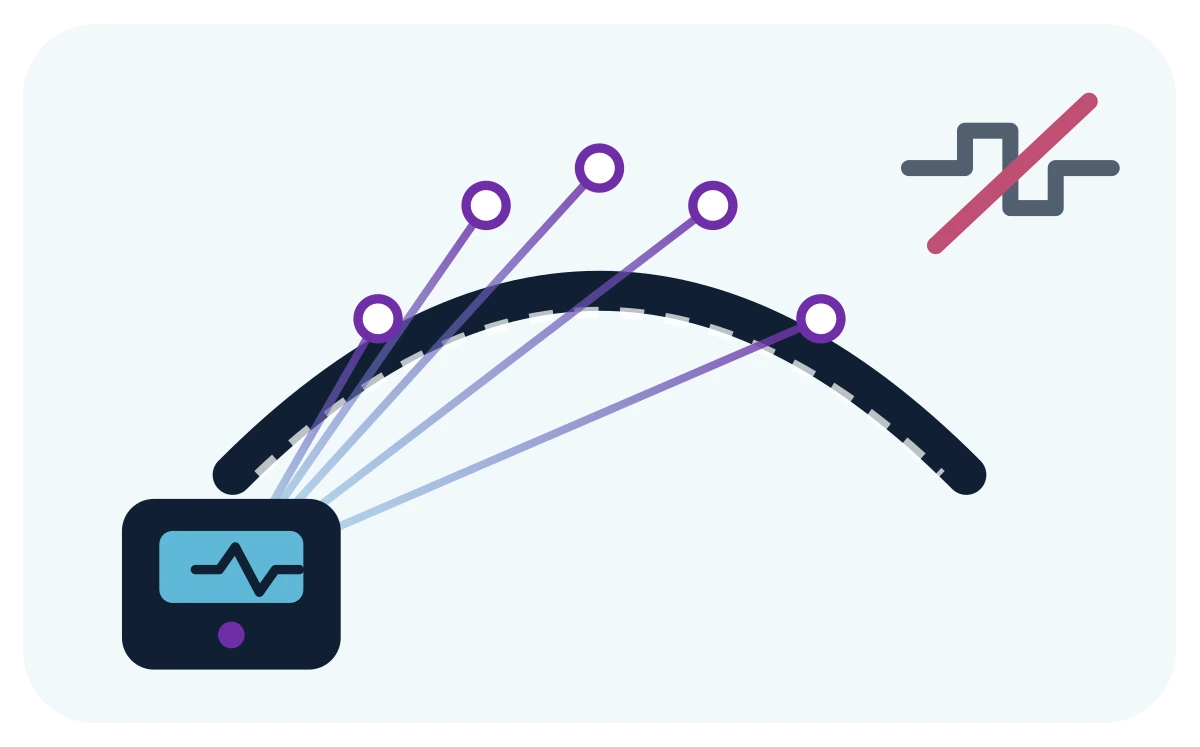
The Q2 records vibration at 65 simultaneous points. During impact testing, reference and marked locations are captured under the same strike, producing a directly comparable response map in a single acquisition.
Laser RADAR beams measuring a tiled vault without attached sensors

No attached sensors

The laser measures surface motion without adding mass or requiring cabling on the vault.
Multiple vault points synchronized to one controlled impact and waveform comparison

Synchronous comparison

Multiple tiles and reference areas are recorded together during each controlled impact.
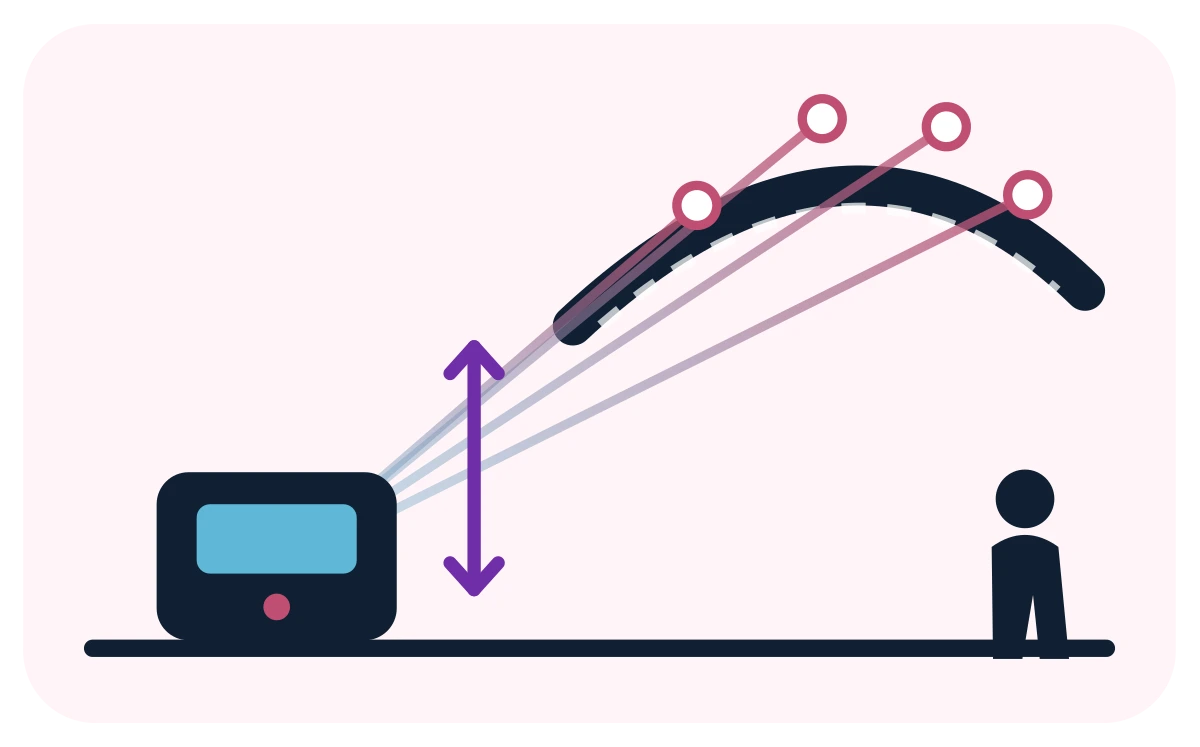
Laser RADAR measuring a high tiled vault from floor level

Stand-off operation

Screen from the floor and focus access equipment where the measured response makes it most valuable.
THE FIELD WORKFLOW

Reference, excite, measure, compare

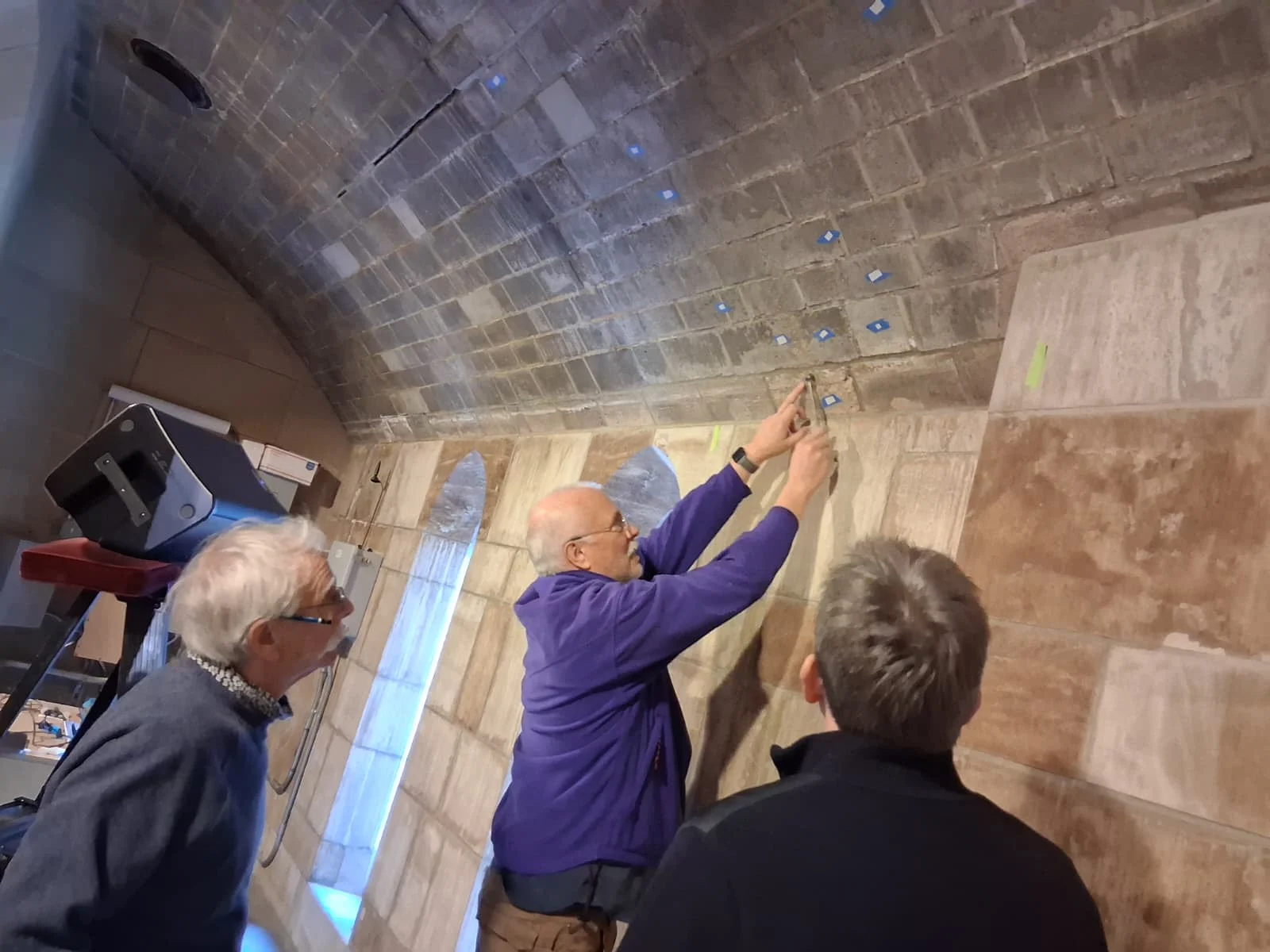
Vertical Access identified reference and potentially detached locations by light tapping. Controlled hammer impacts then gave the Q2 a common input for measuring several tiles and surrounding areas at once. Each strike became a synchronized set of responses ready for direct comparison.

01

Close-up tapping identifies marked and sound reference locations on a tiled vault

Set references

Mark sound and tap-identified locations to build a trustworthy comparison set.

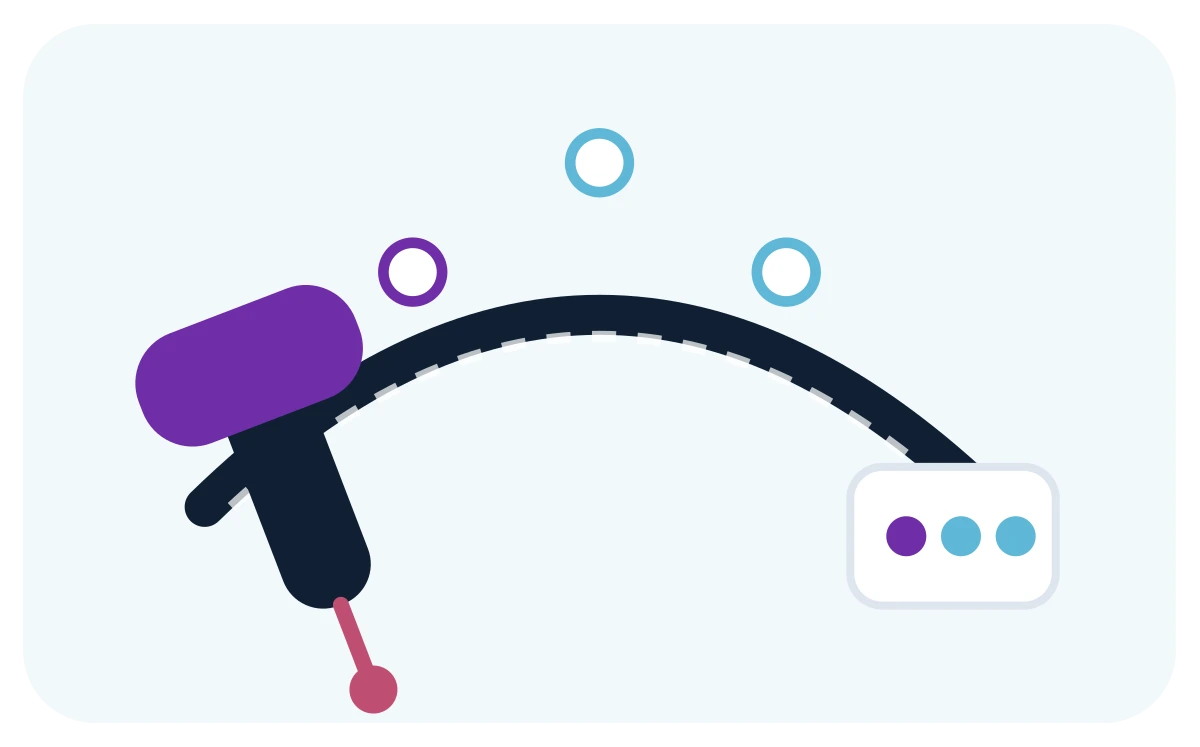
02

Multiple vault points synchronized to one controlled impact and waveform comparison

Excite

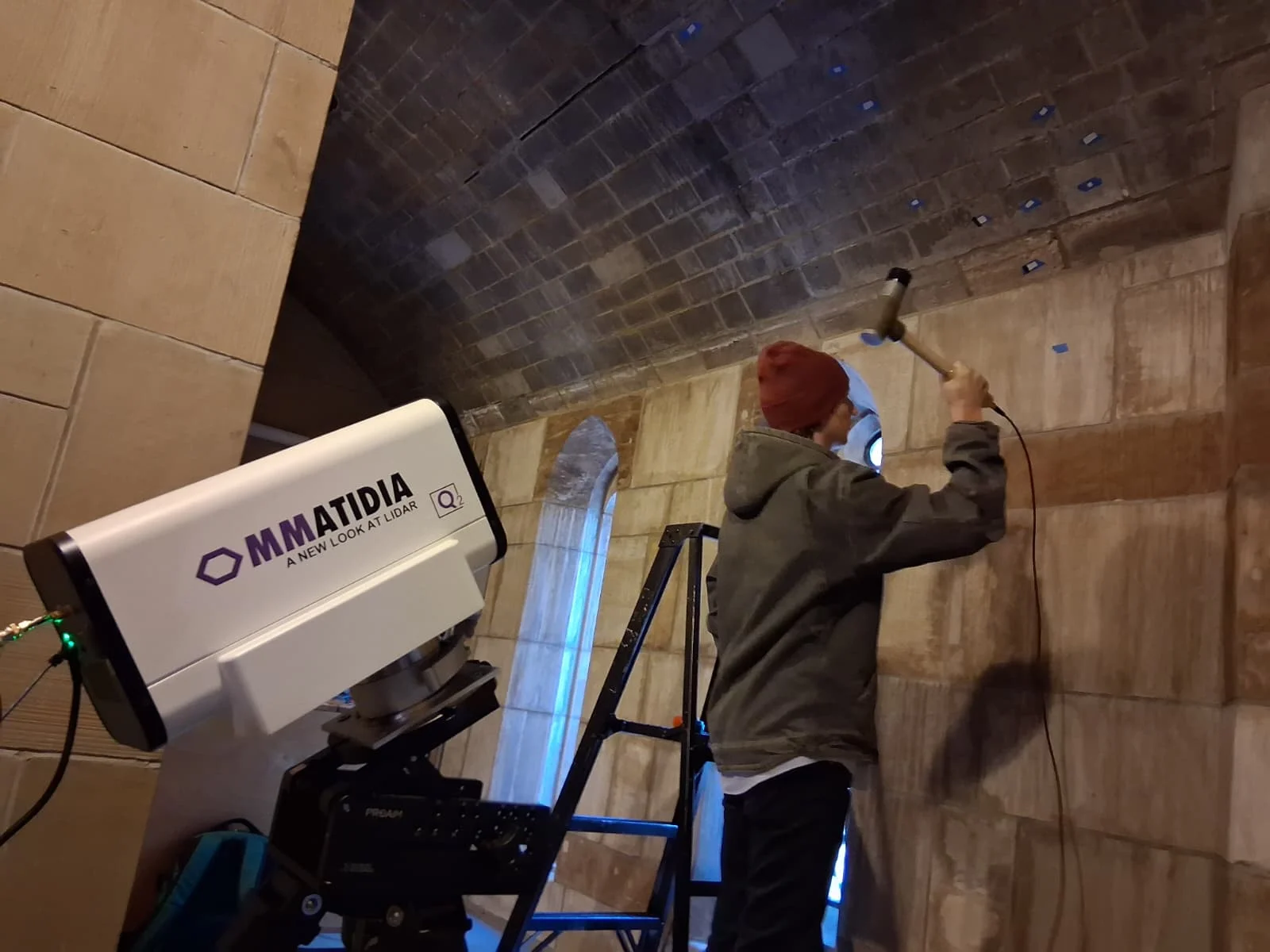
Apply a controlled hammer impact and record the input for every repeat.

03

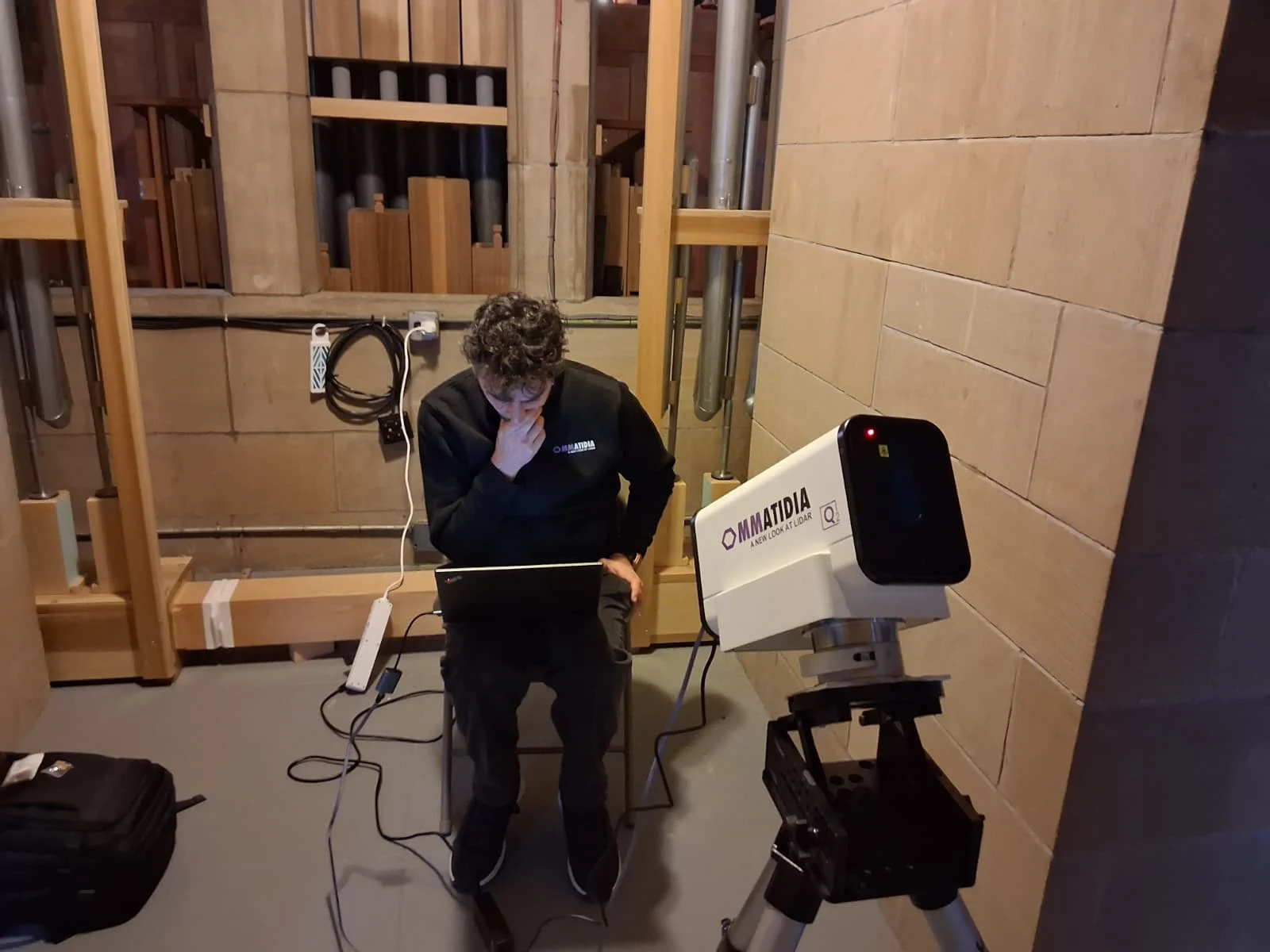
Laser RADAR measuring a high tiled vault from floor level

Measure

Capture multiple surface responses together from floor level, without attached sensors.

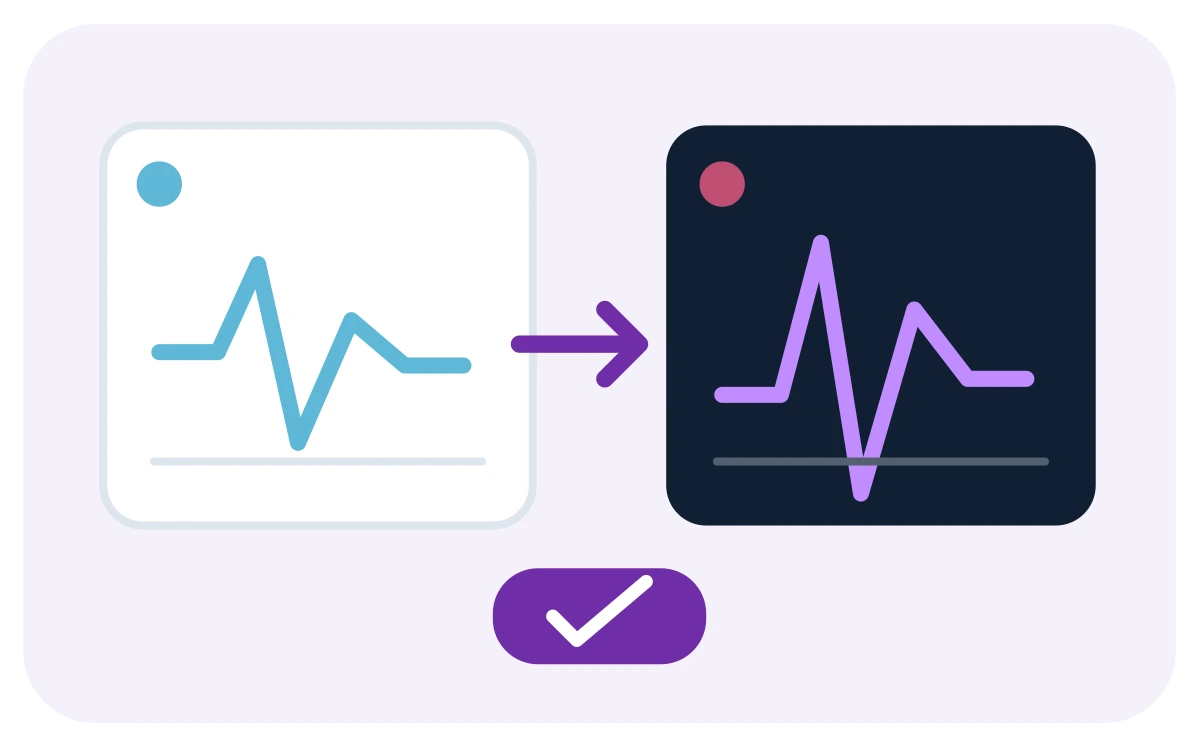
04

Reference and marked vault vibration responses compared as two waveforms

Compare

FIELD DOCUMENTATION

The measurement sequence at Saint Thomas Church

Close-access inspection and non-contact measurement worked together: reference locations were marked, impacts were applied under controlled conditions and the Q2 captured the vault response.

Field team marking reference locations on the Saint Thomas Guastavino vault

1. Mark reference locations

Field teams identified and marked reference tiles to anchor the comparison.

Controlled hammer impact on the Saint Thomas Guastavino vault with the Q2 measuring response

2. Apply a controlled impact

An instrumented hammer delivered a repeatable excitation at the selected test location.

Ommatidia Q2 recording the Saint Thomas Church vault response

3. Capture the optical response

The Q2 recorded the response remotely, without sensors attached to the masonry.

Review repeatable response differences to prioritize the next close-access investigation.
WHAT THE FIRST TEST SHOWED

A clear response contrast from nine repeatable impacts

Ten hammer impacts were recorded. Nine valid repeats were retained for comparison, creating a strong initial dataset.

Channels 15 and 55 measured a sound tile and the adjacent wall. Channels 29-31, directed at the first location marked during sounding, showed a clear difference in frequency response.

The second marked location produced a reference-like response at this analysis stage. Together, the two results demonstrate a measurable condition signal and show exactly how to expand the reference set for robust classification.

THE PATH TO COMPLETE-VAULT SCREENING

Scaling the concept into a field-ready screening service

The field result provides a direct development route: expand the reference set, automate the impact-to-response workflow and train classification against tile condition, impact position and local support geometry.
Growing reference tile library

Broaden the sample

Build a richer reference library across sound and tap-identified tiles with controlled impact locations.

Response signal analysis

Refine the signal

Compare time-domain decay, frequency response, damping and pre/post-impact behaviour.

Stand-off screening range

Extend practical range

Take the selected workflow to the stand-off distances needed for complete-vault screening.

THE COLLABORATION

Access knowledge and optical measurement, in one workflow

Vertical Access, led by Kent Diebolt, contributes Guastavino-vault experience, close-up sounding and the practical realities of heritage access.

Ommatidia contributes the Q2 multipoint Laser RADAR, synchronized response measurement and signal-processing development.

FIELD RESULT

Concept demonstrated on a live heritage site

The first campaign established measurable response contrast, simultaneous multipoint coverage and a practical route toward rapid vault screening. Condition decisions remain with the project conservation and engineering team.
ACKNOWLEDGEMENTS

With thanks to the Saint Thomas field team

The January 2026 field demonstration brought together expertise in structural engineering, materials investigation, acoustics and heritage access.

With thanks to Saint Thomas Church in the City of New York for hosting the field demonstration.

ON-SITE CONTRIBUTORS

Derek Trelstad — TY Lin

Nic Cargill — Atkinson-Noland Associates

Jaume Soler — SoundArts

Kent Diebolt — Vertical Access

APPLICATION NOTE

Read the complete five-page field brief

See the field workflow, measured response contrast and roadmap to a scalable screening service.
FIELD NOTE | HERITAGE CONSERVATION

Remote screening for hard-to-reach Guastavino vaults

At Saint Thomas Church in New York, Ommatidia and Vertical Access demonstrated the potential of multipoint Laser RADAR vibrometry to distinguish tap-identified areas from sound reference locations—without attaching sensors to the vault.
Field demonstration | January 2026 | Saint Thomas Church, Fifth Avenue
Interior of Saint Thomas Church showing the high Guastavino tile vaults above the nave
The nave and high vaults of Saint Thomas Church, New York.
Gothic Revival facade of Saint Thomas Church on Fifth Avenue in New York
Saint Thomas Church on Fifth Avenue.
THE SITE

A large, layered surface 95 feet above the nave

Completed in 1913, Saint Thomas Church is a masonry landmark crowned by Guastavino tile vaults. Their bonded, overlapping masonry courses create a large continuous soffit where local changes can be difficult to recognize from the floor.

Why remote screening matters

Compare more of the vault from the floor, retain a digital baseline and direct lifts or scaffolds toward the areas with the strongest measured response.

THE INSPECTION PROBLEM

Prioritize close access with better evidence

The practical question is where to focus close inspection first.

Remote screening lets teams compare more locations, retain a digital record and direct access resources toward the areas with the strongest measured response.

The result is a faster route from a large, inaccessible surface to a focused hands-on investigation.

Diagram of bonded overlapping Guastavino tile courses and potential local debonding
Illustrative Guastavino construction; exact layer build-up varies by vault and location.
WHY MULTIPOINT LASER RADAR

Many surface responses, measured at the same instant

The Q2 records vibration at 65 simultaneous points. During impact testing, reference and marked locations are captured under the same strike, producing a directly comparable response map in a single acquisition.
Laser RADAR beams measuring a tiled vault without attached sensors

No attached sensors

The laser measures surface motion without adding mass or requiring cabling on the vault.
Multiple vault points synchronized to one controlled impact and waveform comparison

Synchronous comparison

Multiple tiles and reference areas are recorded together during each controlled impact.
Laser RADAR measuring a high tiled vault from floor level

Stand-off operation

Screen from the floor and focus access equipment where the measured response makes it most valuable.
THE FIELD WORKFLOW

Reference, excite, measure, compare

Vertical Access identified reference and potentially detached locations by light tapping. Controlled hammer impacts then gave the Q2 a common input for measuring several tiles and surrounding areas at once. Each strike became a synchronized set of responses ready for direct comparison.

01

Close-up tapping identifies marked and sound reference locations on a tiled vault

Set references

Mark sound and tap-identified locations to build a trustworthy comparison set.

02

Multiple vault points synchronized to one controlled impact and waveform comparison

Excite

Apply a controlled hammer impact and record the input for every repeat.

03

Laser RADAR measuring a high tiled vault from floor level

Measure

Capture multiple surface responses together from floor level, without attached sensors.

04

Reference and marked vault vibration responses compared as two waveforms

Compare

Review repeatable response differences to prioritize the next close-access investigation.
FIELD DOCUMENTATION

The measurement sequence at Saint Thomas Church

Close-access inspection and non-contact measurement worked together: reference locations were marked, impacts were applied under controlled conditions and the Q2 captured the vault response.
Field team marking reference locations on the Saint Thomas Guastavino vault

1. Mark reference locations

Field teams identified and marked reference tiles to anchor the comparison.
Controlled hammer impact on the Saint Thomas Guastavino vault with the Q2 measuring response

2. Apply a controlled impact

An instrumented hammer delivered a repeatable excitation at the selected test location.
Ommatidia Q2 recording the Saint Thomas Church vault response

3. Capture the optical response

The Q2 recorded the response remotely, without sensors attached to the masonry.
WHAT THE FIRST TEST SHOWED

A clear response contrast from nine repeatable impacts

Ten hammer impacts were recorded. Nine valid repeats were retained for comparison, creating a strong initial dataset.

Channels 15 and 55 measured a sound tile and the adjacent wall. Channels 29-31, directed at the first location marked during sounding, showed a clear difference in frequency response.

The second marked location produced a reference-like response at this analysis stage. Together, the two results demonstrate a measurable condition signal and show exactly how to expand the reference set for robust classification.

THE PATH TO COMPLETE-VAULT SCREENING

Scaling the concept into a field-ready screening service

The field result provides a direct development route: expand the reference set, automate the impact-to-response workflow and train classification against tile condition, impact position and local support geometry.
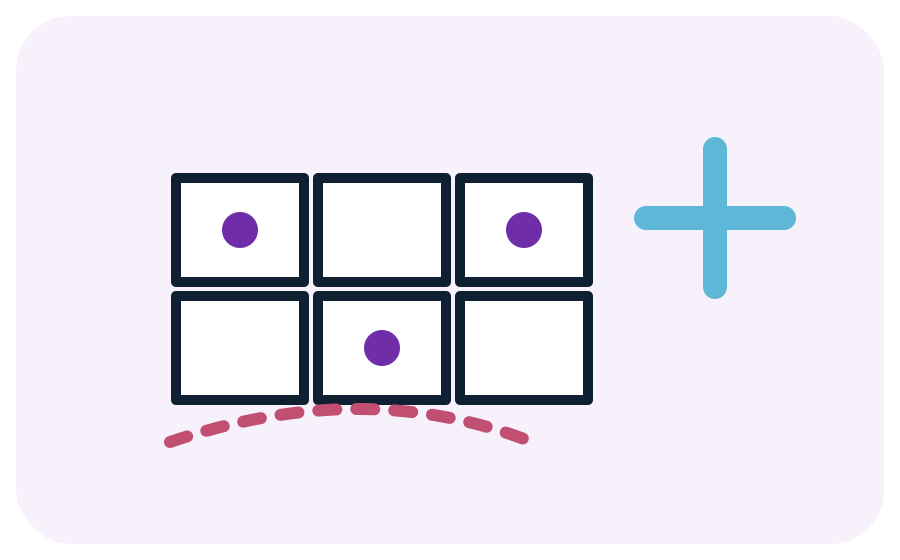
Illustration of a growing grid of marked reference tiles

Broaden the sample

Build a richer reference library across sound and tap-identified tiles with controlled impact locations.
Illustration of multiple vibration-response traces being analyzed

Refine the signal

Compare time-domain decay, frequency response, damping and pre/post-impact behaviour.
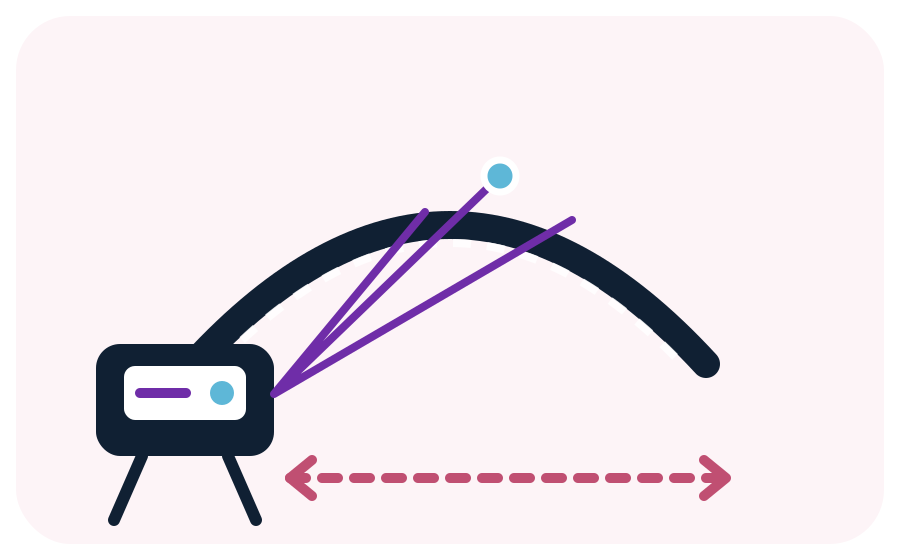
Illustration of a Q2 measuring a vault at stand-off range

Extend practical range

Take the selected workflow to the stand-off distances needed for complete-vault screening.
THE COLLABORATION

Access knowledge and optical measurement, in one workflow

Vertical Access, led by Kent Diebolt, contributes Guastavino-vault experience, close-up sounding and the practical realities of heritage access.

Ommatidia contributes the Q2 multipoint Laser RADAR, synchronized response measurement and signal-processing development.

FIELD RESULT

Concept demonstrated on a live heritage site

The first campaign established measurable response contrast, simultaneous multipoint coverage and a practical route toward rapid vault screening. Condition decisions remain with the project conservation and engineering team.
ACKNOWLEDGEMENTS

With thanks to the Saint Thomas field team

The January 2026 field demonstration brought together expertise in structural engineering, materials investigation, acoustics and heritage access.

With thanks to Saint Thomas Church in the City of New York for hosting the field demonstration.

ON-SITE CONTRIBUTORS

Derek Trelstad — TY Lin

Nic Cargill — Atkinson-Noland Associates

Jaume Soler — SoundArts

Kent Diebolt — Vertical Access

APPLICATION NOTE

Read the complete ten-page field brief

See the field workflow, measured response contrast and roadmap to a scalable screening service.

Ommatidia Upgrade & Trade-In Program

Upgrade to Ommatidia’s latest Laser RADAR technology and unlock more capability for your next measurement challenge. Whether you are expanding an existing setup or replacing an older system, we offer tailored upgrade options with discounts of up to 40%.

If you are currently using another manufacturer’s system, send us your model and measurement requirements. We will review your trade-in possibilities, identify the best Ommatidia configuration, and outline a practical upgrade path for your team.
Discuss your upgrade or trade-in

    Compartir

    Saint Thomas vault screening questions

    What was tested at Saint Thomas Church?

    Ommatidia and Vertical Access tested whether stand-off multipoint Laser RADAR vibrometry could compare tap-identified areas with sound reference locations on Guastavino vaults about 95 ft (29 m) above the nave. Q2 recorded 65 points simultaneously during controlled hammer impacts without attaching sensors to the vault.

    What did the first field dataset show?

    Ten impacts were recorded and nine valid repeats were retained. Channels 29–31 at the first tap-identified location showed a different frequency response from the sound-tile and wall references measured by channels 15 and 55. The second marked location produced a reference-like response at this analysis stage.

    Does the result diagnose detached tiles across the vault?

    No. It demonstrates measurable response contrast and a practical remote-screening workflow in the tested locations. It does not classify the complete vault or replace close inspection. Condition and intervention decisions remain with the project conservation and structural-engineering team.

    What is needed to scale the method?

    The next steps are a larger reference library covering sound and tap-identified tiles, controlled impact position, repeated measurements and validation against close-up observations. Classification must account for local support geometry and measurement uncertainty before it can guide broader vault screening.